The Bailiwick of Ennerdale Est 1251 - Hon. George Mentz JD MBA CWM
|
Jurisdictional Seals, Arms, and Crests of the Bailiwick and Forest of EnnerdaleA Legal and Historical Basis for Heraldic and Judicial Emblems OverviewThe Bailiwick, Liberty, Manor, and Forest of Ennerdale is one of the largest and most ancient privately owned
jurisdictions in England, with over 17,000 acres of territory, including mountains, rivers,
forests, and moorlands. What sets Ennerdale apart legally and historically is not only its vast size but also its
unique legal origin — it was sold outright by the Crown in 1822, not granted,
leased, or held in service. Sale and Jurisdictional IndependenceIn 1822, the Commissioners of His Majesty’s Woods and Forests conducted a cash sale of the entire Liberty and Bailiwick of Ennerdale to the Earl of Lonsdale. This was not a typical manorial transfer or lease, but rather a complete divestment by the Crown of its sovereign rights over this territory, including:
This kind of sale established Ennerdale as a "free bailiwick" and quasi-palatinate, meaning it is effectively a private jurisdiction with autonomy in matters of local governance, symbolism, and traditions. Legal Basis for Seals, Arms, and CrestsBecause Ennerdale is not a mere honorary title or symbolic manor, but rather a former royal liberty with preserved juridical rights, the current holder of the lordship and bailiwick has the following legal and customary powers: 1. Right to Create a Jurisdictional SealThe use of a court seal was historically essential for any liberty or bailiwick exercising court leet or baronial justice. Ennerdale’s surviving right to maintain a Court Leet and judicial authority over its territory provides the legal basis for maintaining or creating an official seal of jurisdiction. 2. Right to Arms and Crests by Custom and PrecedentHistorically, lords of liberties, manors, and baronies created their own heraldic devices to represent their jurisdiction. While formal grants from heraldic authorities (e.g., College of Arms or Lord Lyon) are one route, the customary use and long-standing independent jurisdiction of Ennerdale allows the creation and usage of a seal, arms, and crest to represent the bailiwick and its official functions. This practice is consistent with hundreds of historical examples in England, where lords of liberties, sokes, and hundreds bore arms and seals as part of their official capacities. 3. Seal as Symbol of Administrative and Judicial Authority
|
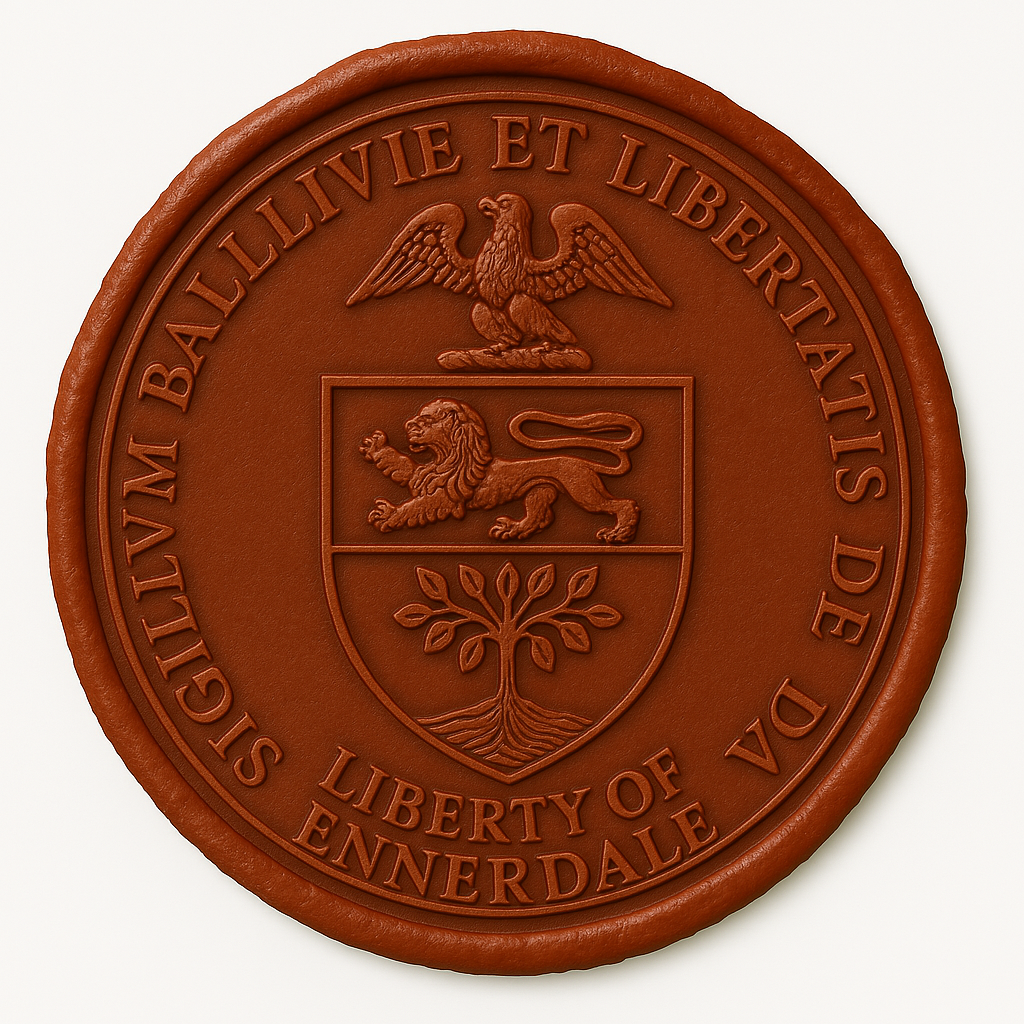
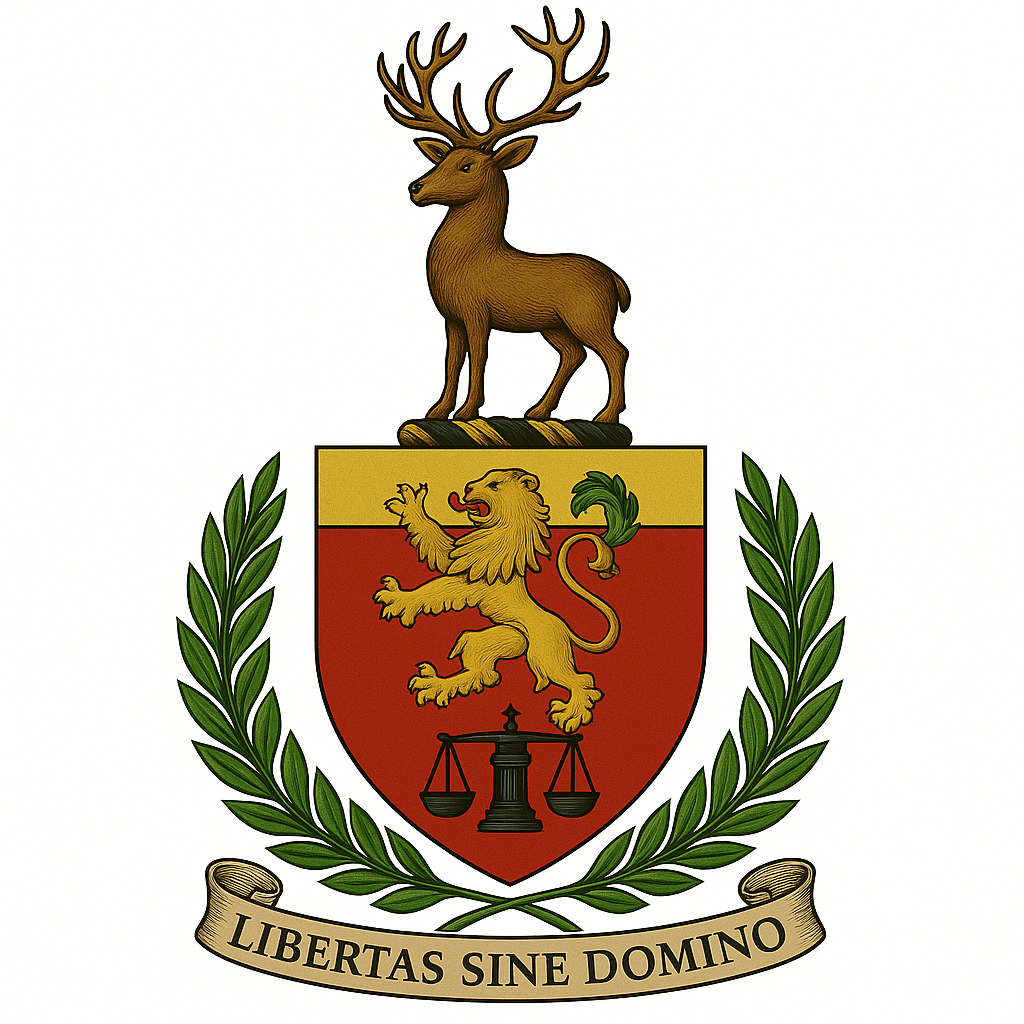
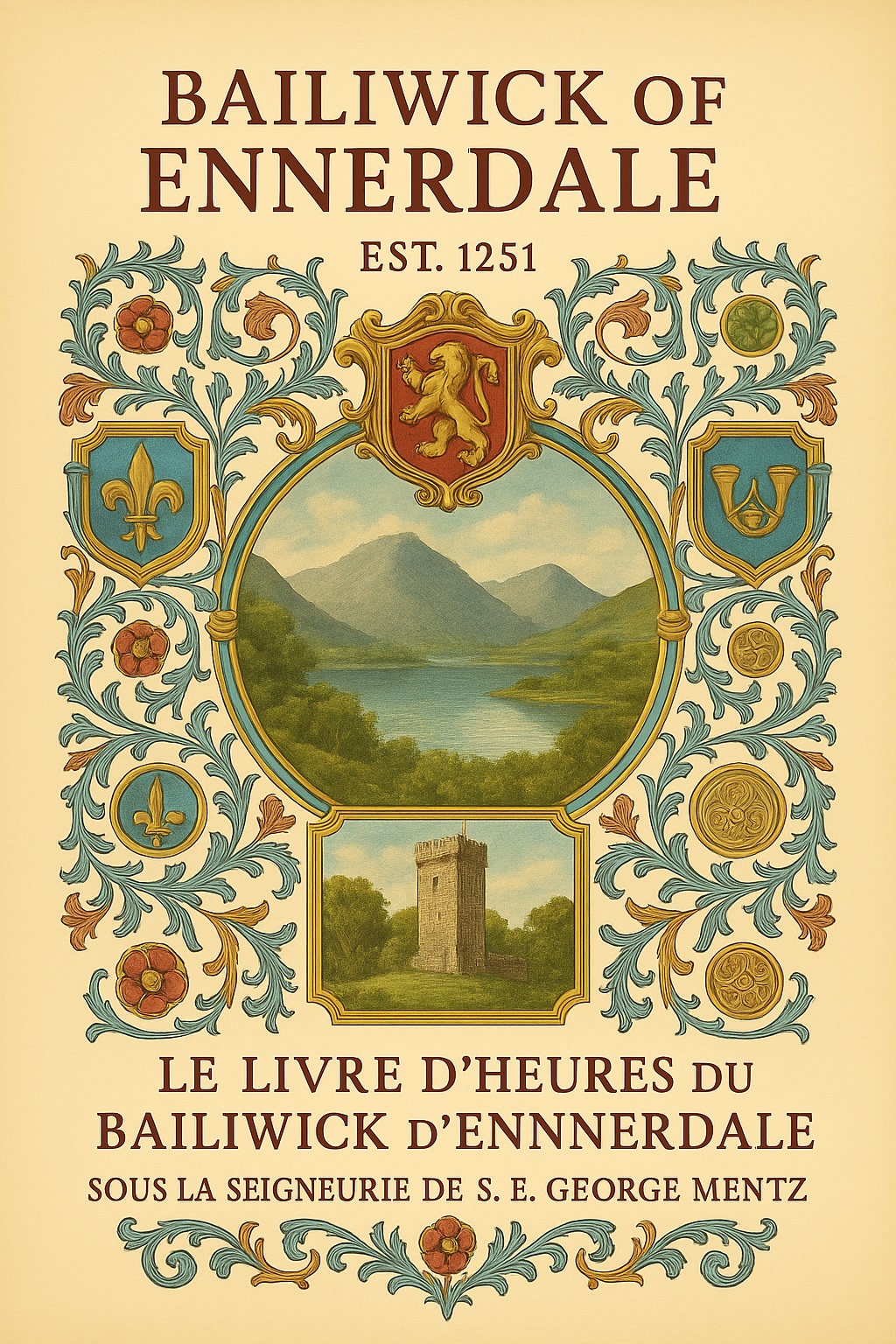
The Bailiwick Liberty and Forest of Ennerdale, spanning over 17,000 acres in Cumbria, stands as one of the largest historic manors in all England. Renowned for its ancient liberty status and judicial independence, Ennerdale today forms part of a UNESCO World Heritage landscape and is recognized as the 9th largest National Nature Reserve in England. With its rugged forests, glacial valley, and ecological significance, the Ennerdale estate uniquely blends feudal heritage, environmental stewardship, and cultural preservation, making it both a living legacy and a vital part of the nation’s natural patrimony.
International Lawyer - Mentz Law Firm ™ - LA USA - Fed Cts. Colorado USA Founder of the 1st Educational Body in the USA to Earn SIS Sanction - ESQ & TUV Accreditation and ISO 9001, ISO 21001 & ISO 29993 Certification for Educational Standards - Promoting ACBSP and Dept of Education Accredited Education & Exams Wordlwide to Enable Graduates of Business Schools to Seek Certifications. www.gmentz.com * www.GeorgeMentz.com * www.MentzLaw.com * www.LawyerLouisiana.com * www.AttorneyLouisiana.com * George Mentz LinkedIn * www.NewYorkGazette.com TRADEMARK ID#: Commissioner Mentz - As Seen in the:

Amazon Author * Twitter * O-Books * LinkedIn * Facebook * LinkedIn EU * Academia * George Mentz * George Mentz Author Bestselling Award Winning * Commission George Mentz * George Mentz White House Trump Press * Aspen Commission * Ennerdale News * Ennerdale Bridge * Mentz 100 Million * Ennerdale Facebook * Aspen Commission * Mentz Education *